

Obakunle Damilola
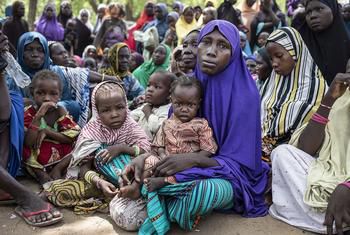
Religious violence has emerged as a pervasive and destructive force in Nigeria, leaving deep scars on individuals, communities, and the nation as a whole. The consequences of this violence extend far beyond the immediate victims, affecting their families, relationships, and society at large. In this article, we will explore the complexities of religious violence in Nigeria, its impact on marriages, relationships, friendships, and society in general, as well as examine instances that highlight the gravity of this issue.
The Roots of Religious Violence
Nigeria’s diverse religious landscape, which includes Christianity, Islam, and traditional African religions, has been a source of strength and richness. However, it has also become a breeding ground for tensions and conflicts. The roots of religious violence in Nigeria are complex and multifaceted, involving historical, cultural, and socioeconomic factors. The struggle for power, resources, and influence has often been framed in religious terms, exacerbating divisions and fueling violence.
The Impact on Marriages and Relationships
Religious violence has shattered many marriages and relationships in Nigeria. Interfaith marriages, in particular, have been especially vulnerable, with couples facing opposition and violence from family members and extremist groups. In some cases, religious differences have led to divorce, separation, or even death. The trauma and stress caused by living in a volatile environment have taken a toll on relationships, making it challenging for individuals to maintain healthy and fulfilling partnerships.
The Destruction of Friendships and Communities
Religious violence has also destroyed friendships and communities, creating an atmosphere of fear, suspicion, and mistrust. Neighbors who once lived in harmony have become sworn enemies, with some resorting to violence against each other. The loss of trust and social cohesion has far-reaching consequences, adversely affecting economic and social development in the affected areas.
Instances of Religious Violence
The instances of religious violence in Nigeria are numerous and heart-wrenching. The Boko Haram insurgency in the Northeast has caused countless deaths, displacements, and widespread destruction. The group’s attacks on both Christians and Muslims who refuse to conform to their ideology have been particularly brutal. In other parts of the country, clashes between rival religious groups have resulted in violence, arson, and loss of life.
The Human Cost
The human cost of religious violence in Nigeria is staggering. Thousands of lives have been lost, and many more have been displaced or injured. The trauma and psychological scars left on survivors are deep and long-lasting, impacting their ability to rebuild their lives and find peace. The economic costs are also significant, with many businesses and investments lost due to instability and insecurity.
The Way Forward
To address the scourge of religious violence in Nigeria, a comprehensive approach is necessary. This includes:
1. Promoting Interfaith Dialogue: Encouraging dialogue and understanding between different religious groups can help build trust and reduce tensions.
2. Addressing Socioeconomic Factors: Tackling poverty, unemployment, and inequality can help diminish the appeal of extremist ideologies.
3. Strengthening Security: Enhancing security measures and holding perpetrators of violence accountable can deter future attacks.
4. Encouraging Tolerance and Inclusion: Fostering a culture of tolerance and inclusion can help break down barriers and create a more cohesive society.
Conclusion
Religious violence in Nigeria is a complex and deeply ingrained problem that requires a multifaceted solution. By understanding its roots, impact, and consequences, we can work towards building a more peaceful and cohesive society. Only through collective effort and determination can we overcome the challenges posed by religious violence and create a brighter future for all Nigerians.
Recommendations
– The government should establish a national commission to promote interfaith dialogue and understanding.
– Community leaders should collaborate to encourage tolerance and inclusion.
– Educational institutions should integrate peacebuilding and conflict resolution programs into their curricula.
– The media should play a responsible role in promoting balanced coverage of religious issues.
By working together, we can create a Nigeria where people of all faiths can live in peace, harmony, and mutual respect.