
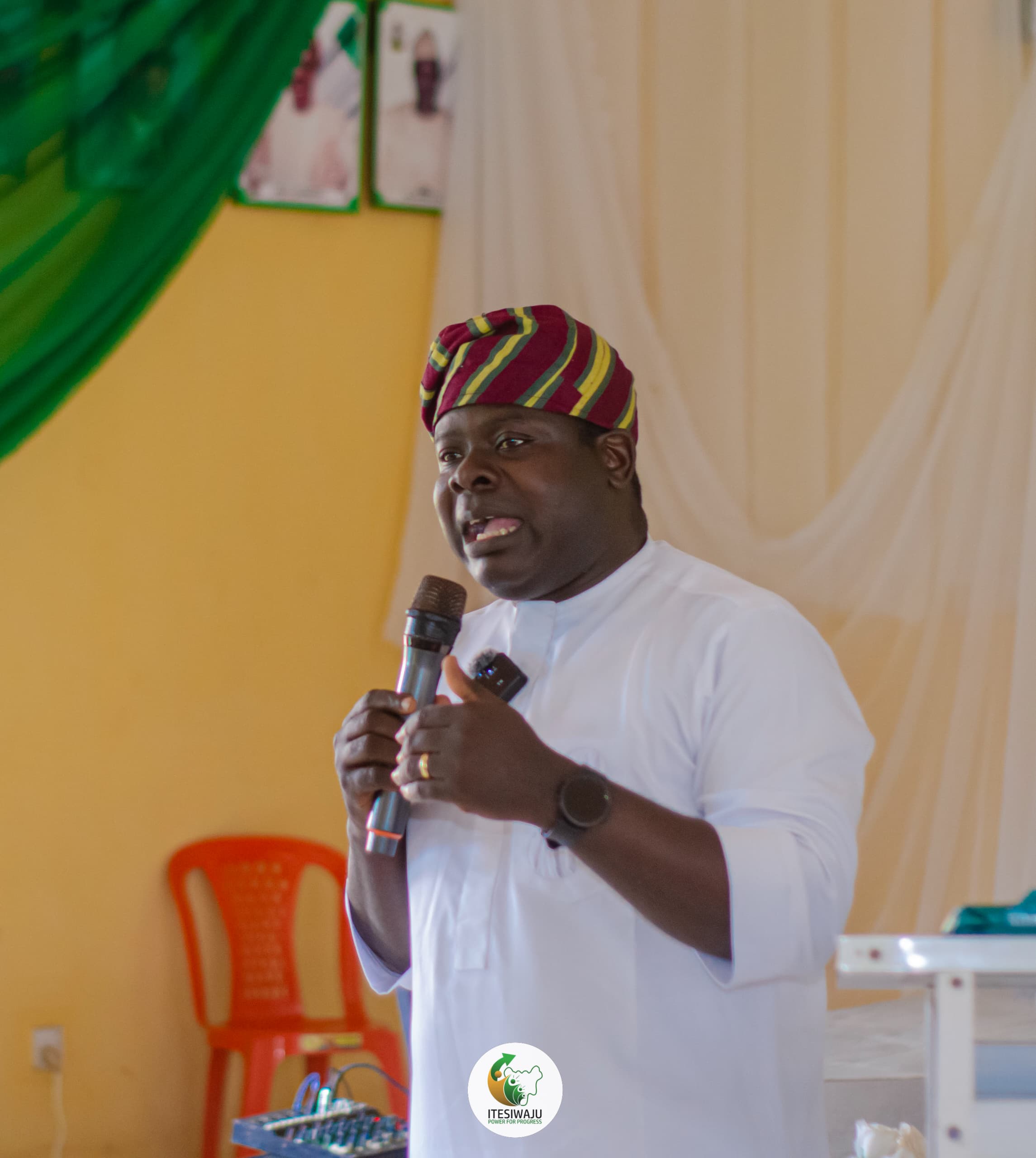
An industrial development strategist has called on Dangote Industries Limited to initiate formal engagement with the Ondo State Government over its renewed interest in the Olokola Deep Seaport and industrial corridor project, warning that excluding the state from the process would undermine the long-term viability of one of Nigeria’s most consequential coastal economic initiatives.
Dr. Femi Akinkuebi, who issued the call in a widely circulated position statement, described the Dangote group’s renewed attention to the Olokola axis as a major economic opportunity for Nigeria, but insisted that private sector ambition must be matched with institutional respect and inclusive regional planning.
“The Ondo State Government cannot and should not be ignored in engagements relating to a project of this magnitude,” Dr. Akinkuebi stated, pointing to the state’s possession of over 75 kilometres of Atlantic coastline as a basis for its irreplaceable stakeholder role within the Olokola coastal ecosystem.
The Olokola Free Trade Zone initiative dates back to the administration of former President Olusegun Obasanjo and was originally conceived as a jointly linked coastal economic project between Ogun and Ondo States. Despite its failure to fully materialise over the years, the renewed private sector interest in the region has reignited conversations about its enormous and globally relevant economic potential.
Dr. Akinkuebi acknowledged the broad developmental value of a modern deep seaport and integrated industrial logistics ecosystem in the corridor, noting that such a project would stimulate industrialisation, generate employment, attract foreign and domestic investment, strengthen maritime infrastructure, and expand manufacturing and agro-processing opportunities across the Southwest region. He described the project as foundational to reshaping Nigeria’s regional and continental trade competitiveness.
However, he was equally emphatic that engagement with host communities, while important, cannot substitute for formal institutional dialogue with the Ondo State Government on matters touching its territorial development, infrastructure planning, environmental impact, and long-term economic future.
The strategist recommended the establishment of a joint technical and strategic engagement framework involving both Ogun and Ondo States, alongside Dangote Industries, to ensure proper coordination, policy alignment, and the protection of host community interests. He also urged the Ondo State Government to treat this moment as a catalyst for accelerating its own broader coastal economic agenda, encompassing industrialisation, logistics development, marine economy participation, smart city planning, and export-oriented infrastructure.
“This emerging corridor must not be viewed merely as a port project, but as the foundation of a larger regional economic ecosystem capable of reshaping the future of Southwest Nigeria,” he said.
Dr. Akinkuebi was careful to frame the issue not as a conflict between states or an obstacle to investment, but as a question of maturity, collaboration, and strategic foresight. He maintained that Nigeria needs more investments of the scale being contemplated by Dangote, but emphasised that sustainable development demands mutual respect, institutional alignment, and inclusive economic planning.
“The opportunity before us is too significant for division, misunderstanding, or poor coordination. What is required now is dialogue, strategic engagement, and a shared commitment toward regional economic growth and national development,” he concluded.